
You have guests arriving, everyone reaches for their phone, and nobody knows what to do together. You want a simple activity that brings people together without complicated rules. A family dice game is a simple way to bring people together for friendly competition and shared fun. Choose an easy-to-learn game, explain the rules, and add group challenges such as team rounds, best-of-three matches, or a family leaderboard. Keep the rules fair and adapt activities to players’ ages. This guide provides seven party challenges, a setup checklist, tips for friendly competition, and a buyer’s guide. For a broader selection of family games, explore our HaBabyToys collection.
Table of Contents
- Why a Family Dice Game Makes Party Time More Fun
- How to Set Up a Family Dice Game Night
- 7 Family Dice Game Challenges Everyone Can Try
- Group Dice Games for Different Ages and Group Sizes
- How to Make a Wooden Dice Board Game More Engaging
- Friendly Competition Without Family Arguments
- What to Look for When Buying
- Frequently Asked Questions
A family dice game is a simple way to bring people together for friendly competition and shared fun. Choose an easy-to-learn game, explain the rules, and add group challenges such as team rounds, best-of-three matches, or a family leaderboard. Keep the rules fair and adapt activities to players’ ages.
Why a Family Dice Game Makes Party Time More Fun
Parties can be awkward when guests do not know what to do. Simple dice games give the group a shared activity. The rules are easy to learn, rounds are short, and people can play casually without needing to be highly competitive.
Simple Rules Help New Players Join Quickly
A dice game with simple rules allows new players to join quickly. This makes it accessible for all ages and abilities.
Short Rounds Suit Busy Family Gatherings
Short rounds keep the game moving. This is especially useful for families with younger children or busy schedules.
Play Casually Without High Competition
Players can enjoy the game without being highly competitive. The focus is on shared fun, not winning.
Adapt to the Group’s Ages and Preferences
Adapt the activity to the group’s ages and preferences. The PBS KIDS for Parents resource discusses turn-taking, teamwork, and being a good sport.
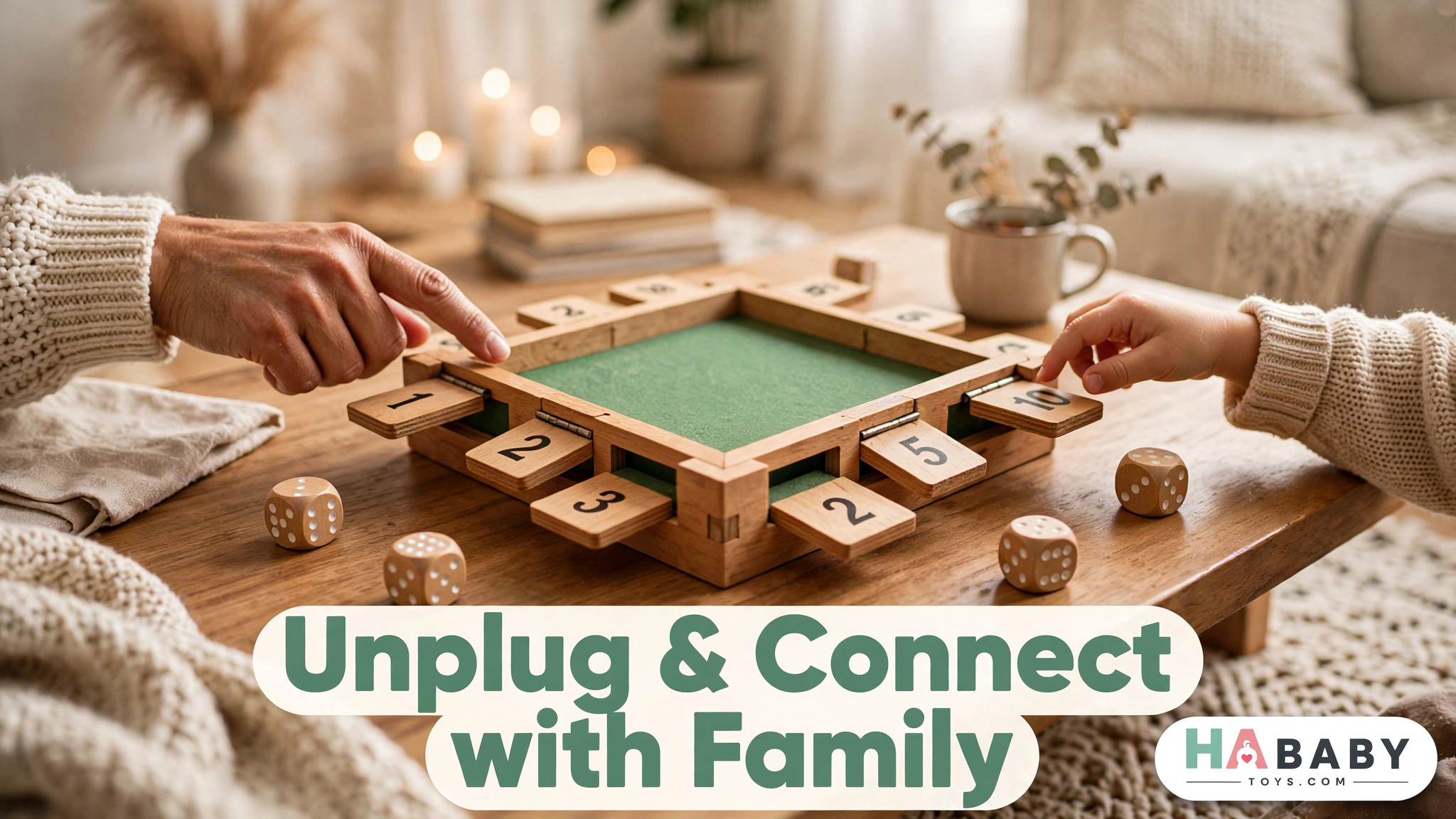
How to Set Up a Family Dice Game Night
Set up a comfortable and organized game night. Follow these steps.
Choose a Comfortable Playing Area
Arrange chairs so everyone can see the board, dice, and score sheet.
Decide Who Is Playing
Accommodate small families, larger groups, and mixed-age gatherings. If the game supports only a certain number of players, rotate guests between rounds.
Explain the Rules Before the First Round
Agree on the scoring method, turn order, and any optional challenges in advance. The American Academy of Pediatrics emphasizes choosing activities that suit children’s ages and abilities.
Prepare a Simple Score Sheet
Use a paper table with player names and round results. This ensures everyone can follow the progress.
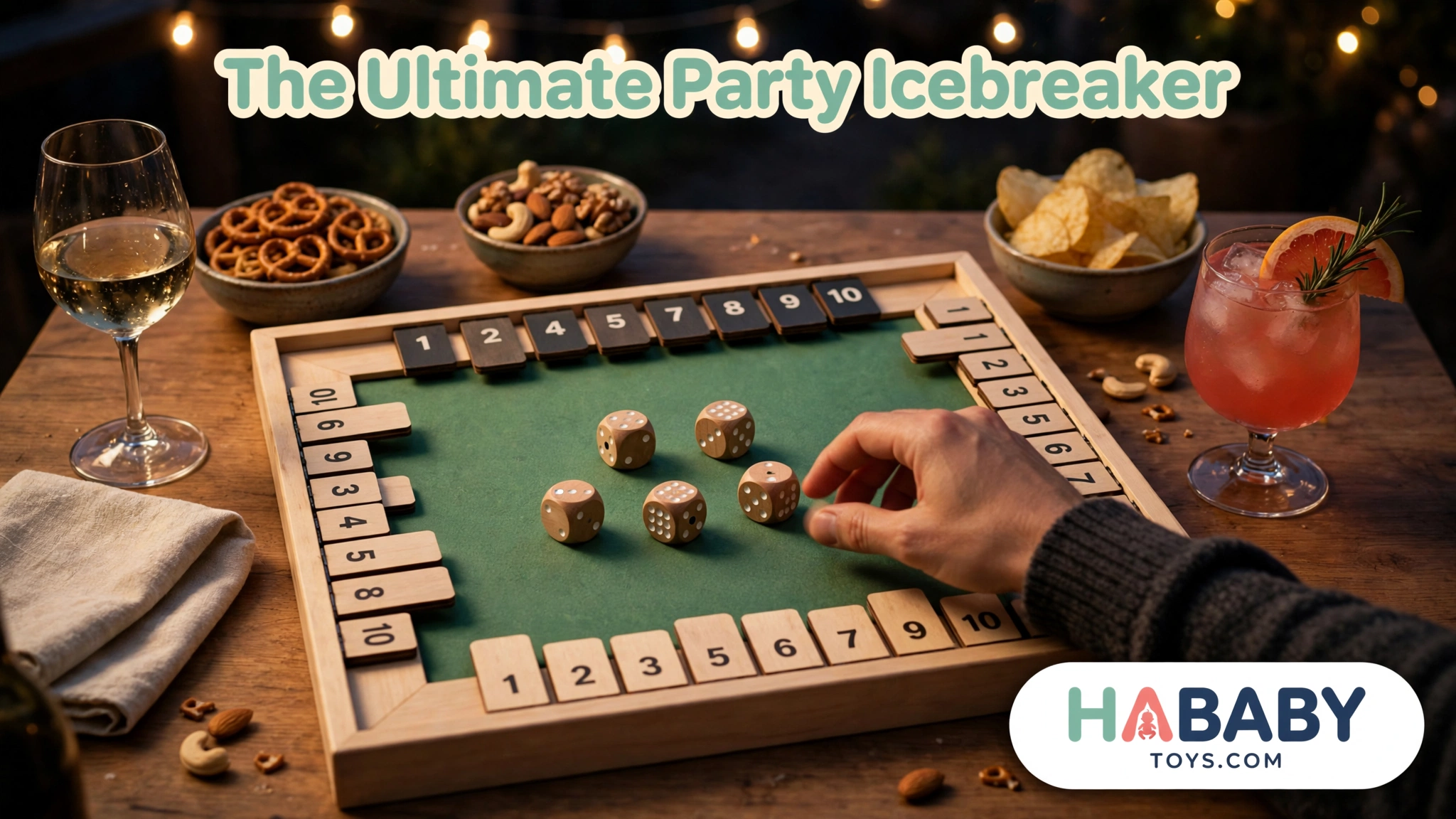
7 Family Dice Game Challenges Everyone Can Try
These challenges add variety and fun to your game night. They are optional house rules.
1. The Best-of-Three Challenge
Play three rounds using the same rules. Compare the scores to determine the overall winner.
2. The Family Team Challenge
Pair people into teams. Teammates can discuss possible moves before the active player chooses. This encourages collaboration.
3. The Quick-Round Challenge
Set a short time limit for completing each round. Use the time limit as a friendly prompt, not a punishment.
4. The Comeback Round
Give players another chance after the first round by starting a fresh round with the same scoring rules.
5. The Explain-Your-Move Challenge
Ask players to explain why they selected a particular legal dice combination. Keep the tone light and let beginners pass if they prefer.
6. The Family Leaderboard
Track results over several rounds, with points awarded under a pre-agreed scoring system.
7. The Grand Finale
Let the highest-scoring players compete in one final round, or give everyone another chance if the goal is inclusive family fun.
7 Ways to Turn a Family Dice Game into a Party Challenge
Select a step to see how it works.
Group Dice Games for Different Ages and Group Sizes
Choose a format that suits your group. Different groups have different needs.
Small Family
Use a straightforward round-robin format. Everyone takes turns.
Four Players
Give each person a turn or a designated playing area, depending on the board design. For more ideas, see our 10-number shutter game for four players.
Large Gathering
Split guests into groups and rotate between rounds.
Mixed Ages
Let adults explain the arithmetic or play alongside younger participants.
Casual Party
Keep the score optional and focus on trying different moves.
The number of people who can play simultaneously depends on the actual board and rules. The University of Cambridge NRICH Shut the Box activity provides a concrete example of a number-based dice game.
What Parents Say About HaBabyToys
“We played this at our family reunion and it was a hit. Everyone could join in, from kids to grandparents.”
“The rules were easy to understand. My kids picked it up quickly. It’s a great way to practice math skills.”
“We’ve had hours of fun with this game. It’s a great alternative to screen time.”
How to Make a Wooden Dice Board Game More Engaging
Create variety without buying a new game for every gathering.
Change the Challenge, Not the Core Rules
Introduce team rounds, themed nights, or a tournament format while keeping the underlying game rules consistent.
Use a Visible Score Sheet
Let players follow the progress of the game without repeatedly asking who is ahead.
Give Beginners a Practice Round
Play one round without keeping score so everyone can understand the mechanics.
Let the Group Choose a Variation
Allow participants to vote on the next house-rule challenge. When readers need the underlying game instructions, point them to wooden dice board game rules and how to play.
Friendly Competition Without Family Arguments
Game nights can become heated when rules are unclear. Follow these tips for a positive experience.
A successful family game night doesn’t require everyone to be equally competitive. The goal is a shared experience that people want to repeat. The AAP play guidance discusses opportunities for interaction, communication, and problem-solving.
What to Look for When Buying a Family Dice Game
Before buying, check these features.
| Feature | What to Check |
|---|---|
| Player support | How many players does the actual rules support? |
| Ease of learning | How easy is it to learn the game? |
| Dice | How many dice are included? |
| Board size and storage | Is the board size convenient for storage? |
| Construction and finish | Are the materials and finish clearly described? |
| Age and warnings | What age recommendations and small-part warnings apply? |
| Instructions | Is an instruction sheet provided? |
| Price, delivery, returns | What are the current price, delivery, and return terms? |
The HA’BABY wooden dice board game set is a well-designed option. Check the product page for current details. The NAEYC toy guidance supports matching play materials to age and abilities. For safety, the CPSC toy safety guidance is relevant.
Plan Your Next Family Game Night
Make your next family gathering a little more memorable. Choose a simple game, invite everyone to take part, and add a friendly challenge to your next game night. Explore the HA’BABY wooden dice board game set to see if it fits your family or group.
View the Wooden Dice Board Game Browse All GamesFrequently Asked Questions
A family dice game is a dice-based activity played alone, in pairs, or in groups depending on the rules. Number-shutter games are one possible option.
Try a best-of-three tournament, team rounds, a friendly leaderboard, or a final challenge. These can be optional house rules.
It depends on the board design and manufacturer instructions. Players can take turns or use separate player areas if the board supports it.
Rotate players, use short rounds, divide guests into teams, and keep the scoring easy to follow.
Follow the product’s age recommendations and supervise younger children around dice and small pieces. The CPSC toy safety FAQ provides further guidance.
Agree on rules before the first round, apply the same scoring method to everyone, and avoid changing the rules midway through a game.
Check the intended player count, game instructions, construction, storage, age suitability, and current product details. A well-made game can be a great gift for families who enjoy shared activities.
Conclusion: Bring Everyone Together for Game Night
A family dice game is a simple, screen-free activity that can bring the whole family together. By choosing a simple challenge, explaining the rules clearly, and adapting to your group, you can create a fun and memorable game night. For more family game ideas, explore the HaBabyToys blog and browse our full collection.
2 Responses